Ramen is a popular Japanese noodle dish enjoyed in many parts of the world, including Dubai. Although restaurant recipes vary, the basic preparation follows a similar process: prepare the broth, develop the seasoning, cook the noodles, prepare the toppings, and bring everything together in a bowl.
In this guide, you will learn how ramen is made, what ingredients give it its distinctive flavour, how different ramen styles compare, and what makes a well-balanced bowl of Japanese ramen.
What Ramen Is and Its Main Components
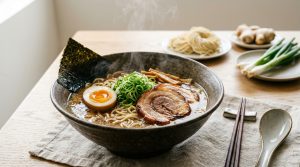
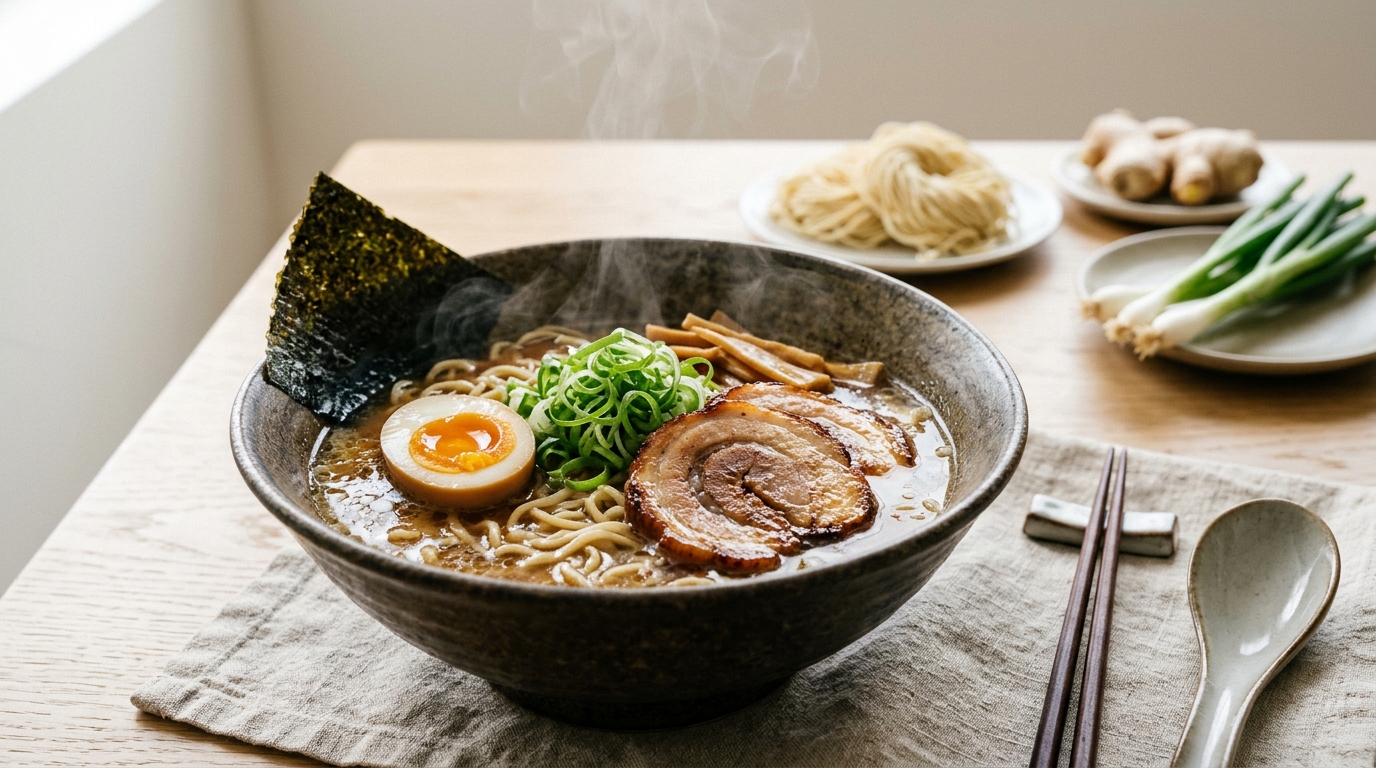
Ramen is a Japanese noodle dish made with wheat noodles, a flavourful soup base, seasoning, and toppings. The dish has developed into many regional and modern variations, with differences in broth, noodle thickness, seasoning, and ingredients.
The taste of ramen depends on how these components work together. A rich broth can provide depth, while the seasoning adds saltiness and complexity. Noodles contribute texture, and toppings introduce contrasting flavours, colours, and temperatures.
Most traditional ramen bowls contain four main components: broth, tare, noodles, and toppings. Each has a specific purpose in the final dish.
Broth: The Foundation of Flavour
Broth is the liquid that gives ramen much of its character. It may be prepared using chicken, pork bones, seafood, vegetables, dried ingredients, or a combination of these.
Some broths are light and clear, while others are rich, cloudy, and full-bodied. The ingredients and cooking method determine the broth’s aroma, texture, and depth of flavour.
Tare: The Seasoning That Defines the Taste
Tare is a concentrated seasoning mixture added to the bowl before the broth. It helps establish the main flavour profile and usually contains ingredients such as soy sauce, miso, salt, or other seasonings.
Two ramen bowls can use similar broth but taste very different because they use different tare. This is one reason the seasoning is just as important as the soup itself.
Noodles: The Texture That Completes the Dish
Ramen noodles are generally made from wheat flour, water, salt, and an alkaline ingredient called kansui. Kansui helps give ramen noodles their characteristic springy texture, firmness, and slightly yellow appearance.
Noodles vary in thickness, shape, and firmness. Thin noodles can work well with certain lighter or richly flavoured broths, while thicker noodles may be used in bowls with a different consistency. The ideal pairing depends on the ramen style and the recipe.
Toppings: Flavour, Colour and Variety
Toppings complete the bowl and can make each serving distinctive. Common examples include sliced pork, soft-boiled eggs, spring onions, seaweed, bamboo shoots, mushrooms, and vegetables.
Not every ramen recipe uses the same toppings. Some focus on meat and rich flavours, while others use seafood, vegetables, or plant-based ingredients.
How Ramen Broth Is Prepared
Ramen broth preparation begins with selecting ingredients that will create the intended flavour and texture. The ingredients are then simmered, strained when necessary, and adjusted to achieve the desired result.
There is no single method for making ramen broth. A chicken-based broth may be lighter, while a pork-bone broth can become rich and cloudy through prolonged boiling. Seafood and vegetable ingredients can contribute different aromas and flavours.
Step 1: Choose the Main Ingredients
The first step is deciding what the broth should taste like. Chicken, pork bones, dried fish, kombu seaweed, mushrooms, onions, and other vegetables can all contribute flavour.
For example, a chicken broth may suit a lighter ramen style, while pork bones are commonly associated with tonkotsu ramen. Seafood ingredients can provide a savoury depth without relying entirely on meat.
The ingredients should support the intended style rather than compete with one another. The amount of fat, the type of stock, and the seasoning all affect the final result.
Step 2: Simmer or Boil According to the Recipe
The cooking method depends on the broth. Some stocks are gently simmered to develop flavour while remaining relatively clear. Others, such as traditional tonkotsu broth, are boiled more vigorously to help release fat and gelatin from pork bones, creating a cloudy and creamy-looking liquid.
Cooking time also varies. A simple stock may require less preparation than a traditional bone broth. Longer cooking does not automatically make every broth better; the method needs to match the ingredients and intended texture.
Step 3: Strain and Adjust the Broth
Once the desired flavour has developed, the broth may be strained to remove bones, vegetables, and other solids. The cook then assesses its aroma, richness, and consistency.
If the broth tastes too weak, it may need further reduction or a different balance of ingredients. If it is overly rich, the recipe may require adjustment. Seasoning is often handled separately through tare, allowing the broth itself to develop flavour without becoming excessively salty.
This separation also makes it easier to control the taste of each serving.
How Ramen Noodles Are Made and Cooked
Understanding how ramen noodles are made helps explain their distinctive texture. Traditional ramen noodles use wheat flour, water, salt, and kansui, an alkaline solution that changes the dough’s properties.
The ingredients are mixed into a dough, which is kneaded and rested before being rolled and cut into strands. Commercial noodle production may use specialised equipment to produce consistent thickness and texture, while handmade noodles follow the same general principles with different tools.
Why Kansui Matters
Kansui is one of the ingredients that distinguishes ramen noodles from many other wheat noodles. Its alkalinity affects the dough’s structure, giving the cooked noodles a firm, elastic bite.
The amount of kansui, flour selection, hydration, and preparation method can all affect the final result. This is why ramen noodles may differ in colour, firmness, and springiness even when they are used in similar dishes.
Cooking Ramen Noodles Correctly
Ramen noodles are usually cooked separately in boiling water before being added to the seasoned broth. Cooking time depends on the noodle’s thickness, composition, and the texture the recipe requires.
The noodles should be cooked until they reach the intended firmness rather than being left in the water for too long. Overcooked noodles can become soft and lose their springy texture.
After cooking, the noodles are drained thoroughly. Excess cooking water can dilute the broth and affect the balance of flavours.
Timing is important because ramen is generally served hot, and the noodles continue absorbing liquid after they enter the bowl. Preparing them too early can make them softer before the meal reaches the table.
Matching Noodles to the Broth
Noodle choice affects how each mouthful feels. Thin noodles may provide a delicate texture, while thick or wavy noodles can create a more substantial bite.
The best pairing depends on the recipe rather than a universal rule. Broth consistency, noodle shape, and cooking time should work together so the noodles remain enjoyable throughout the meal.
How Tare and Seasoning Build Flavour
Tare is the concentrated seasoning added to ramen before the broth and noodles. It gives the dish its main seasoning profile and helps control saltiness, savoury depth, and overall flavour.
Without enough seasoning, even a carefully prepared broth may taste flat. Too much tare, however, can overwhelm the other ingredients. The aim is to create a balance between the broth’s natural flavour and the seasoning’s intensity.
Common Types of Ramen Seasoning
Three widely recognised ramen seasoning styles are shoyu, shio, and miso.
Shoyu tare uses soy sauce as a key ingredient. It commonly produces a savoury, salty, and aromatic flavour, although the exact taste depends on the recipe and other ingredients.
Shio tare is salt-based seasoning. It can allow the flavours of a lighter broth to remain prominent, but it does not necessarily mean the finished ramen will have a low salt content.
Miso tare uses fermented soybean paste to create a deeper, more robust flavour. Depending on the miso and recipe, it can add sweetness, savouriness, and a fuller mouthfeel.
These seasonings can be used with different broths. For example, shoyu ramen does not always use the same stock, and miso ramen can vary significantly between restaurants.
How Seasoning Is Added to the Bowl
In many ramen preparations, a measured amount of tare is placed in the serving bowl first. Hot broth is then added and mixed with the seasoning before the noodles and toppings are arranged.
This method helps maintain consistency from one serving to the next. The cook can control the amount of seasoning without having to adjust a large pot of broth every time someone orders a bowl.
The final flavour also depends on the broth’s richness, the noodles’ texture, and the toppings. Ramen is best understood as a balanced combination rather than a single ingredient or seasoning.
Popular Ramen Styles and Their Differences
Ramen comes in many styles, but the names often describe different aspects of the dish. Some refer to the seasoning, while others describe the broth or preparation method.
Knowing the differences can help you choose a bowl that suits your preferences when exploring a Japanese restaurant in Dubai.
Shoyu Ramen
Shoyu ramen is seasoned with soy sauce. It often has a savoury, aromatic profile and may be served with a clear or lightly cloudy broth.
The broth can be made using chicken, pork, seafood, vegetables, or a combination of ingredients. Its final flavour depends on the stock and tare used by the cook.
Shoyu ramen can suit diners who enjoy a balanced savoury taste without necessarily choosing the richest type of broth.
Miso Ramen
Miso ramen uses fermented soybean paste as a central seasoning ingredient. It often has a deep, savoury flavour and can feel fuller-bodied than some lighter ramen styles.
Different types of miso create different results. Some are milder and slightly sweet, while others have a stronger fermented flavour. The broth may also include ingredients such as garlic, vegetables, or chilli, depending on the recipe.
Miso ramen can be a good choice for diners who prefer a more pronounced and complex seasoning profile.
Tonkotsu Ramen
Tonkotsu ramen is known for its rich broth made by boiling pork bones, often for an extended period. This process can release gelatin, fat, and other components that create its characteristic cloudy appearance and full texture.
Tonkotsu describes the pork-bone broth rather than the seasoning. A bowl of tonkotsu ramen may use different tare, toppings, and noodles depending on the recipe.
Because the broth is often rich, it can appeal to people who enjoy a substantial, savoury meal.
Shio Ramen
Shio means salt, and shio ramen uses salt-based tare. It is often associated with a lighter-looking broth, although its flavour can still be deep and layered.
The stock may contain chicken, seafood, vegetables, or other ingredients. The seasoning is designed to bring these flavours together without relying on soy sauce or miso as the main element.
Quick Comparison of Ramen Styles
| Ramen style | Main characteristic | What to expect |
| Shoyu | Soy sauce seasoning | Savoury, aromatic flavour |
| Miso | Fermented soybean paste | Deep, robust seasoning |
| Tonkotsu | Pork-bone broth | Rich, creamy texture |
| Shio | Salt-based seasoning | Often a lighter, cleaner profile |
These descriptions are general guides. A restaurant’s recipe, ingredients, and cooking method can change the flavour and texture of any style.
How Toppings Are Prepared and Added
Ramen toppings are selected to complement the broth, seasoning, and noodles. They can add richness, freshness, crunch, or a contrasting texture, making the dish more satisfying.
Preparation varies by ingredient. Meat may be cooked and sliced in advance, eggs are prepared separately, and vegetables are washed or cut before service. The toppings are then arranged in the bowl shortly before serving.
Chashu Pork
Chashu is a popular ramen topping made from pork that is cooked until tender and sliced for serving. Depending on the recipe, it may be braised or prepared using another slow-cooking method.
The pork adds richness and a meaty flavour that can complement both lighter and richer broths. The cut of meat, seasoning, and cooking time influence its tenderness and taste.
Soft-Boiled Eggs
A ramen egg often has a set white and a soft or jammy yolk. Some preparations involve marinating the cooked egg in a seasoned mixture before serving.
The egg adds creaminess and a mild flavour that works well with savoury broth. Its cooking time matters because a very firm yolk produces a different texture from a soft centre.
Spring Onions and Vegetables
Spring onions add freshness and a mild sharpness that can balance richer ingredients. Depending on the recipe, ramen may also include mushrooms, bamboo shoots, bean sprouts, corn, or other vegetables.
Vegetables contribute different textures and flavours, so they should be chosen to suit the broth. A lighter soup may benefit from delicate toppings, while a richer broth can work well with more substantial ingredients.
Seaweed and Other Garnishes
Nori, or dried seaweed, is another familiar ramen topping. It adds a distinctive savoury flavour and can soften as it absorbs liquid.
Other garnishes may include sesame seeds, chilli oil, garlic, or sesame paste, depending on the style. These ingredients should support the overall flavour rather than overpower it.
For diners with dietary restrictions, it is worth checking the ingredients carefully. Broth, tare, marinades, and garnishes can contain allergens or ingredients that are not immediately obvious from the finished bowl.
How a Ramen Bowl Is Assembled and Served
Assembling a bowl of Japanese ramen is the final stage of the cooking process. The order matters because it helps distribute the seasoning, preserve noodle texture, and ensure the dish reaches the diner hot.
A typical preparation begins with tare in a serving bowl. Hot broth is added and mixed with the seasoning. Separately cooked and drained noodles are then placed into the liquid, followed by the prepared toppings.
The cook arranges the toppings so the bowl is easy to eat and the ingredients remain visible. Chashu, egg, spring onions, vegetables, and seaweed may be positioned separately rather than mixed together immediately.
Why Timing Makes a Difference
Ramen is best served soon after assembly. Noodles continue absorbing broth, which can soften them and change the balance of the dish. If the bowl sits too long, the texture may become less springy and the broth may no longer taste as balanced.
For this reason, restaurant kitchens coordinate broth temperature, noodle cooking, and topping preparation. Each component may be prepared ahead of time, but the final assembly happens close to serving.
What Makes a Well-Balanced Bowl?
A good bowl of ramen should have a clear flavour profile and a satisfying combination of textures. The broth and tare should complement each other, the noodles should have the intended firmness, and the toppings should add variety without overwhelming the soup.
Balance does not mean every bowl needs to be mild or light. A rich tonkotsu ramen can be well balanced when its seasoning and toppings suit the broth, just as a lighter shio ramen can have depth without a heavy texture.
The best ramen depends on the recipe and the diner’s preferences.
How Ramen Is Made in a Restaurant Kitchen
Restaurant ramen preparation involves more coordination than simply boiling noodles and pouring soup into a bowl. Kitchens often prepare broth, tare, and toppings separately so each component can be controlled and assembled consistently.
Broth may require hours of preparation, depending on the style. Seasoning is measured for each serving, noodles are cooked to order, and toppings are prepared in advance and stored according to food-safety requirements.
This workflow helps maintain consistent portions and flavour during busy service. It also allows a restaurant to offer different ramen styles without making an entirely new broth for every order.
For diners in Dubai, menu descriptions can help identify whether a ramen dish is soy-based, miso-seasoned, pork-bone-based, or prepared with another type of broth. If the description does not provide enough detail, asking the restaurant about the stock, protein, spice level, and allergens can help you make an informed choice.
It is also important to remember that ramen recipes differ between restaurants. Not every bowl uses traditional long-simmered broth, handmade noodles, or the same toppings. The actual preparation depends on the restaurant’s recipe and menu.
Choosing Ramen That Suits Your Taste
Understanding how ramen is made can make ordering easier, especially if you are new to Japanese noodle dishes. Instead of choosing by name alone, consider the flavour and texture you want from your meal.
If you prefer a savoury, soy-based flavour, shoyu ramen may be worth exploring. If you enjoy fermented, robust seasoning, consider miso ramen. Tonkotsu may suit you if you prefer a rich, full-bodied broth, while shio can be an option when you want a salt-seasoned bowl with a different flavour profile.
Your choice should also account for the protein and toppings. Some bowls contain pork, while others may use chicken, seafood, eggs, or vegetables. Check the menu rather than assuming a particular ramen style always contains the same ingredients.
If you are exploring Japanese food in Dubai, you can visit the Japanos Dubai website to review its current menu and available dishes. Checking the menu in advance helps you confirm which ramen options are offered and whether they suit your preferences.
Conclusion
How ramen is made comes down to the careful preparation and balance of its main components: broth, tare, noodles, and toppings. The broth develops depth, the seasoning defines the flavour, the noodles provide texture, and the toppings add contrast and variety.
Different styles offer different experiences. Shoyu brings soy sauce seasoning, miso provides a robust fermented flavour, tonkotsu is known for its rich pork-bone broth, and shio relies on salt-based seasoning to shape the taste.
Once you understand these differences, it becomes easier to recognise what makes each bowl distinctive and choose a style that suits your preferences. Whether you are learning about Japanese cuisine or deciding what to order at a restaurant in Dubai, knowing how ramen is prepared helps you appreciate the dish from the first spoonful of broth to the final bite of noodles.
Frequently Asked Questions
1. How is ramen made from start to finish?
Ramen is made by preparing a broth, creating a concentrated seasoning called tare, cooking wheat noodles, and preparing toppings such as meat, eggs, vegetables, or seaweed. The tare is mixed with hot broth, the cooked noodles are added, and the toppings are arranged before serving.
2. What are the main ingredients in Japanese ramen?
The main components are wheat ramen noodles, broth, tare seasoning, and toppings. Broth may use chicken, pork bones, seafood, vegetables, or a combination of ingredients. Tare may be based on soy sauce, salt, or miso, while toppings vary by recipe.
3. How are ramen noodles different from regular noodles?
Ramen noodles are generally made from wheat flour, water, salt, and kansui, an alkaline ingredient that helps create their characteristic springy texture and firmness. Other noodles may use different ingredients or preparation methods, which can produce a different bite and appearance.
4. What is the difference between shoyu, miso, and tonkotsu ramen?
Shoyu ramen is seasoned with soy sauce, while miso ramen uses fermented soybean paste for its distinctive flavour. Tonkotsu refers to a rich broth made by boiling pork bones. These names describe different elements of ramen, so a bowl’s seasoning and broth can vary depending on the recipe.
5. Can ramen be made without pork?
Yes. Ramen can be prepared with chicken, seafood, vegetable, or other broths, and it can use toppings that do not contain pork. However, avoiding pork toppings alone does not guarantee that a bowl is pork-free, because the broth or seasoning may contain pork-derived ingredients. Check with the restaurant about the full ingredient list if this matters to you.